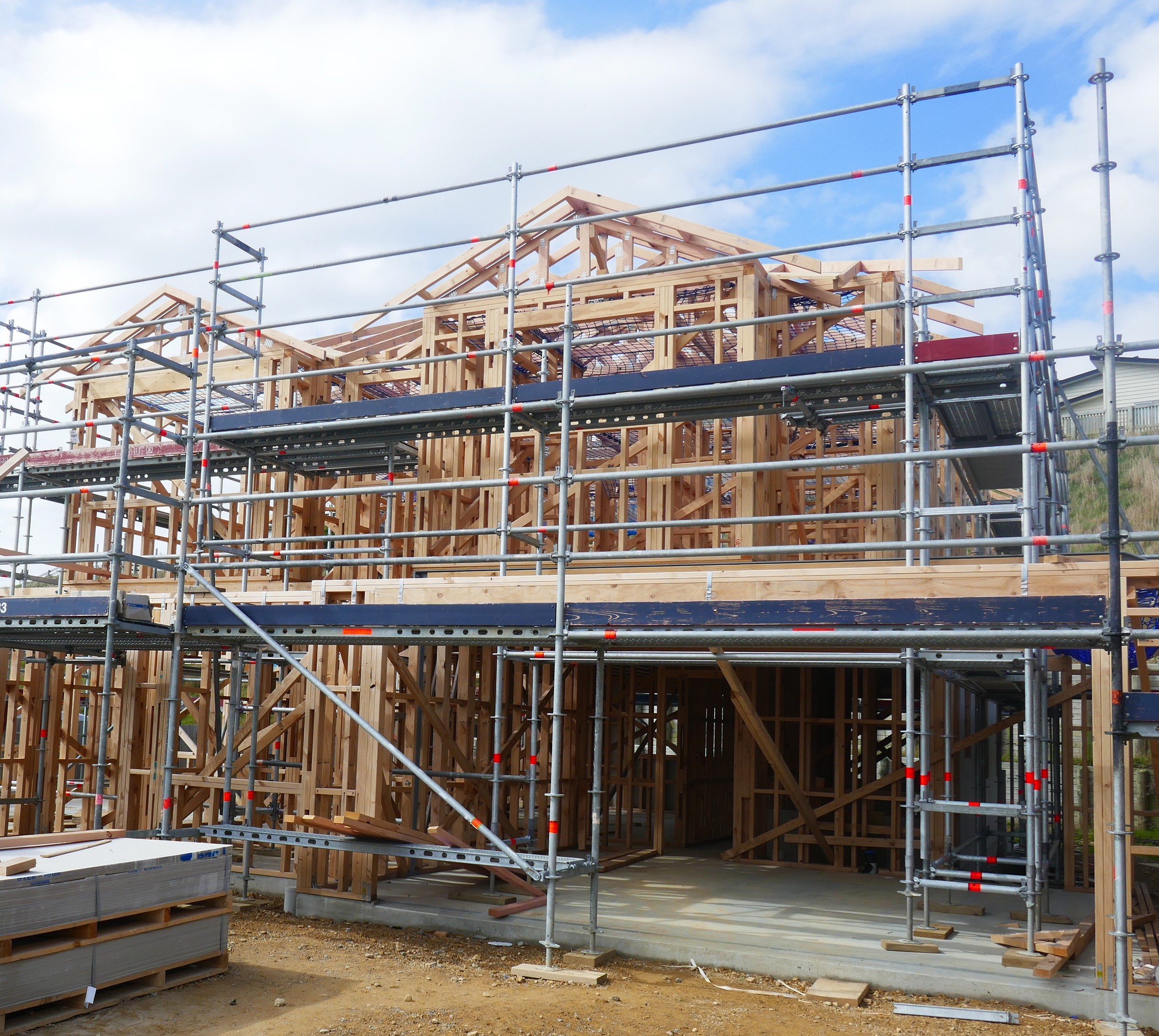
Wind-uplift connections need to work together. A fixing at roof level is part of a sequence of connections that transfers load through the structure, making the relationship between those connections central to the design.
Traditional design techniques, including the Acceptable Solution NZS3604, often break design down to horizontal segments of a building; think of how, in NZS3604, roof framing, wall framing, foundation, etc., sit within separate sections, effectively creating horizontal layers. Yet the loads induced on a building at roof level must be transferred from one member to another via connections in continuous connected vertical paths.
Simpson Strong-Tie is developing StrongHouse, an online tool intended to help specifiers design connections in true vertical load paths, without working through a series of separate design tables for each horizontal layer of the building. The web-based software is currently undergoing beta testing with selected users.
StrongHouse uses project inputs to design fixings from purlins to rafters or trusses, those rafters and trusses to top plates, then top plates to studs, and for lintels to studs. Girder-truss and roof beam connections are included in the software scope.
The approach follows the loads down through the framing and designs connections at the member interfaces. This gives architectural designers and other specifiers a way to consider the vertical load path as a connected continuous sequence.
Two design options are provided. The “Code Compliant” option follows standard process that allows the required connection capacity to equal the load to be transferred. The “Strong House” option applies an additional safety factor, increasing the size of connections for only those that would otherwise operate close to their full capacity, rather than increasing fixings indiscriminately. Simpson Strong-Tie expects this targeted approach to result in only 10-15% of connections being ‘up-specced’, but by removing these weak points in the vertical load path improves the entire structure robustness by 20% while limiting additional cost.
The online tool aims to increase awareness of, and designers considering, vertical continuous load paths, with the StrongHouse design option providing ability to design for better than minimum at minimal cost impact. It provides cost efficiencies and improved resilience – something Simpson Strong-Tie is passionate about globablly; providing solutions that help people design and build safer, stronger structures.
A first full release is planned for 2027, subject to the development and testing programme. For now, StrongHouse offers an early view of how digital tools could make connection design easier to follow and help specifiers see the relationship between individual fixings and the continuous load path they serve.
For more information, contact Daniel Scheibmair at [email protected] or on 021 518 891.